By Bobby Neal Winters
Last week, our departmental administrative assistant gave me some chalk. Some of the good stuff. It’s not all equal.
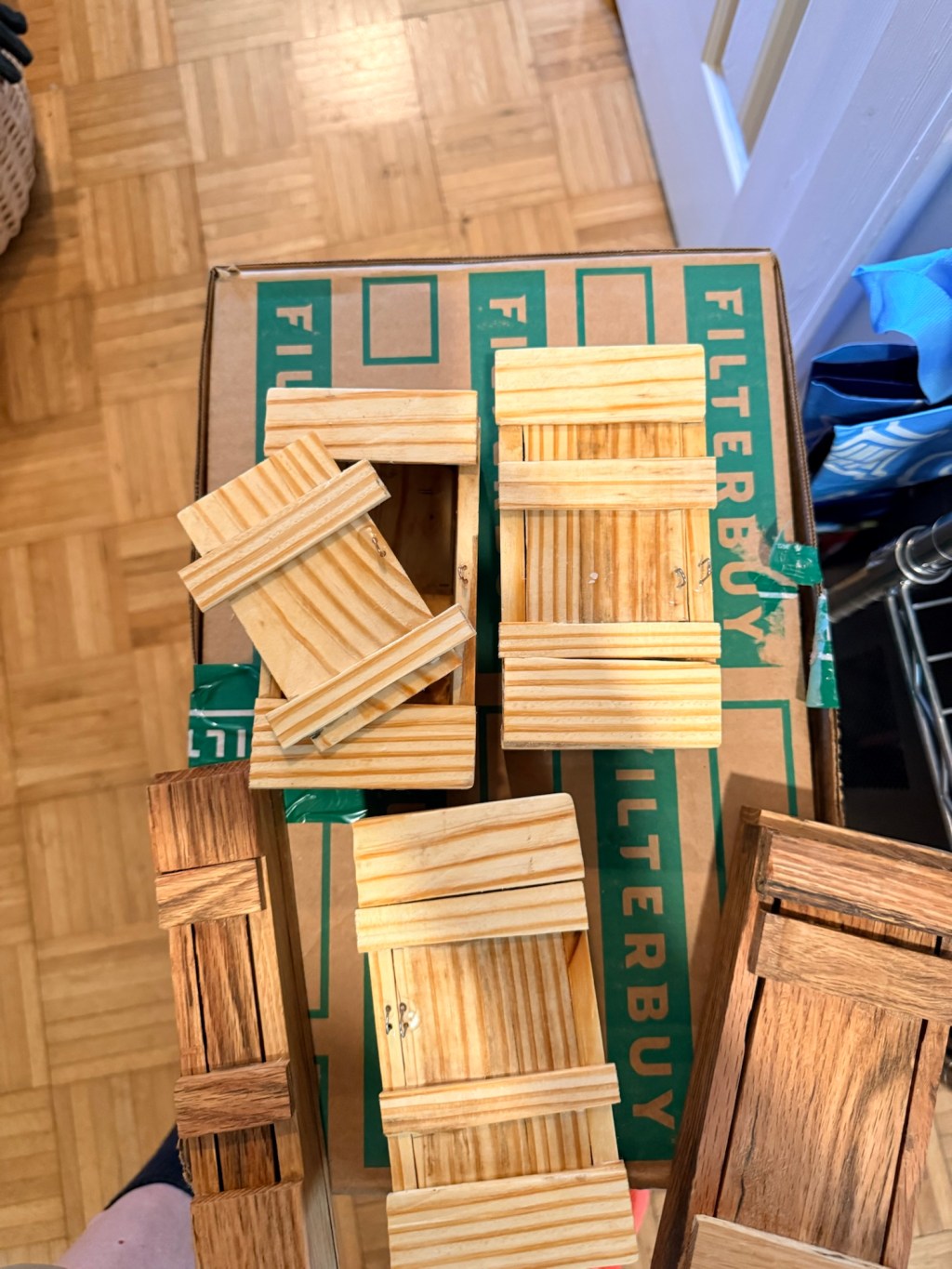
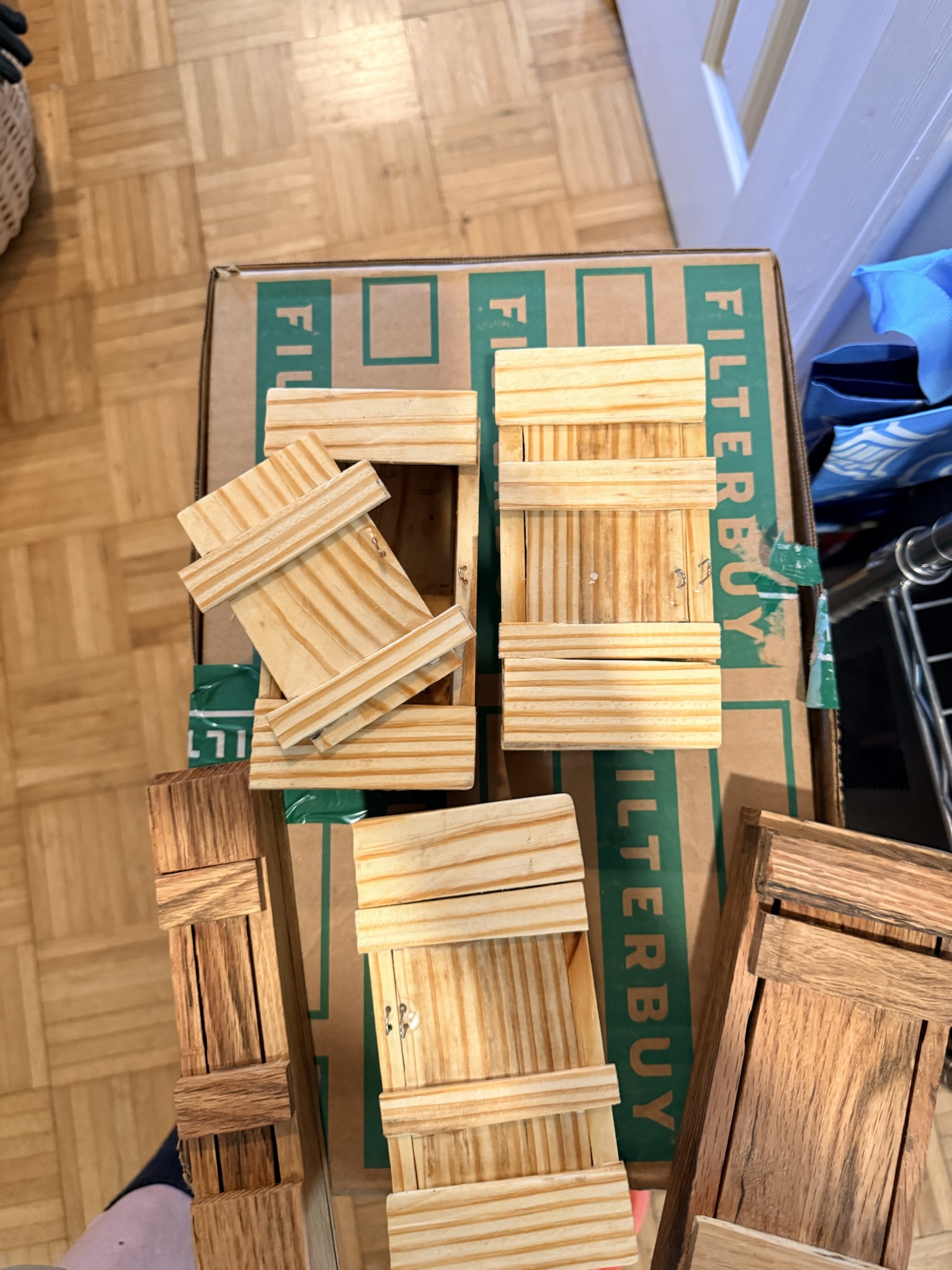
In response to that, I made a chalk box out of some scrap pieces of wood.
I am a chalk user.
There I said it.
I give lectures using chalk on a chalkboard.
True, that is not the only way I teach. I use PowerPoint slides when they are called for. I’ve recorded my computer screen while talking and have uploaded that to the internet. I’ve got all sorts of learning resources and “helps” on the internet.
But when I am talking to students who may one day actually have to do the math, I use chalk on a blackboard.
The short answer is that mathematics is a thing that is done. We use our heads, sure, but we also use our hands.
There is a longer answer.
Here it goes. We learn information, skills, things, whatever, by dragging them through our brains. We can do this by looking at them. We can do this by listening. We can do this by manipulation.
I probably left out a few, but let’s go with those for now.
During a lecture, a serious student will take notes. Taking notes is a good thing and there is a right way to do it. You write things down–often in an abbreviated fashion–and you listen to what is being said. Writing things down serves a two-fold purpose: It gives you an indication of what is being said, sure, but it also keeps your attention focused on the subject at hand.
This second is important. If you are not focused, your mind can start wondering about things not connected to class. (I know this for a fact because there was a beautiful girl in my First Aid class in college, and my faltering attention cost me a letter grade.)
An important thing to realize is that the notes you take in class are just a part of the process. At some point, best before you go to bed that night, you need to sit down and recopy your notes. This causes you to go back and reconstruct the lecture. In order to recall what your notes refer to, you in some sense have to relive the lecture. The process of remembering (re-membering, where membering means putting together) will help you to find patterns that fit the new knowledge in when the things you already know. When you can fit your knowledge into a pattern, it’s there for good, or as close as we can get to it.
When that happens, I like to call it “understanding.”
I am not a psychologist. I’ve not read any psychological research. That is not my forte.
But I have been doing more with my hands in recent years, while reflecting on the processes, and have come to agree with the notion that there is too deep a gulf in our culture between those who do things with their actions–their hands–and those who do things with words–their head. This gulf is to the detriment of scholars.
Let me go back and revisit the penultimate sentence of that last paragraph. People who work with their hands are using their brains too, but the processes involved, happen in a different part of your brain.
When I write–on a computer keyboard, on a yellow pad, on a chalkboard–the whole brain is involved. When a student does this, her whole brain is involved. The learning becomes more connected.
Using chalk helps with this process. It makes me slow down my presentation so that the student can make more complete notes, and this is important. But beyond this, the students can see me writing and taking the physical effort to write. I am convinced this helps them to believe it might be worth their effort to write as well. Indeed, however you slice it, writing on notebook paper takes less effort than writing on chalkboard.
So I’ve made myself a chalk box. I take it to class on the first day of school and show it to the students. They can see the clever Japanese-style lid. I will plant in their brains that working with their hands is cool, that working with your hands is working with your brains.
Maybe they will even take notes.
We shall see.
Bobby Winters grew up near Harden City, Oklahoma. He teaches mathematics and computer science, does woodworking, and blogs at okieinexile.com. He invites you to visit the blog and to subscribe.


Leave a Reply