By Bobby Neal Winters
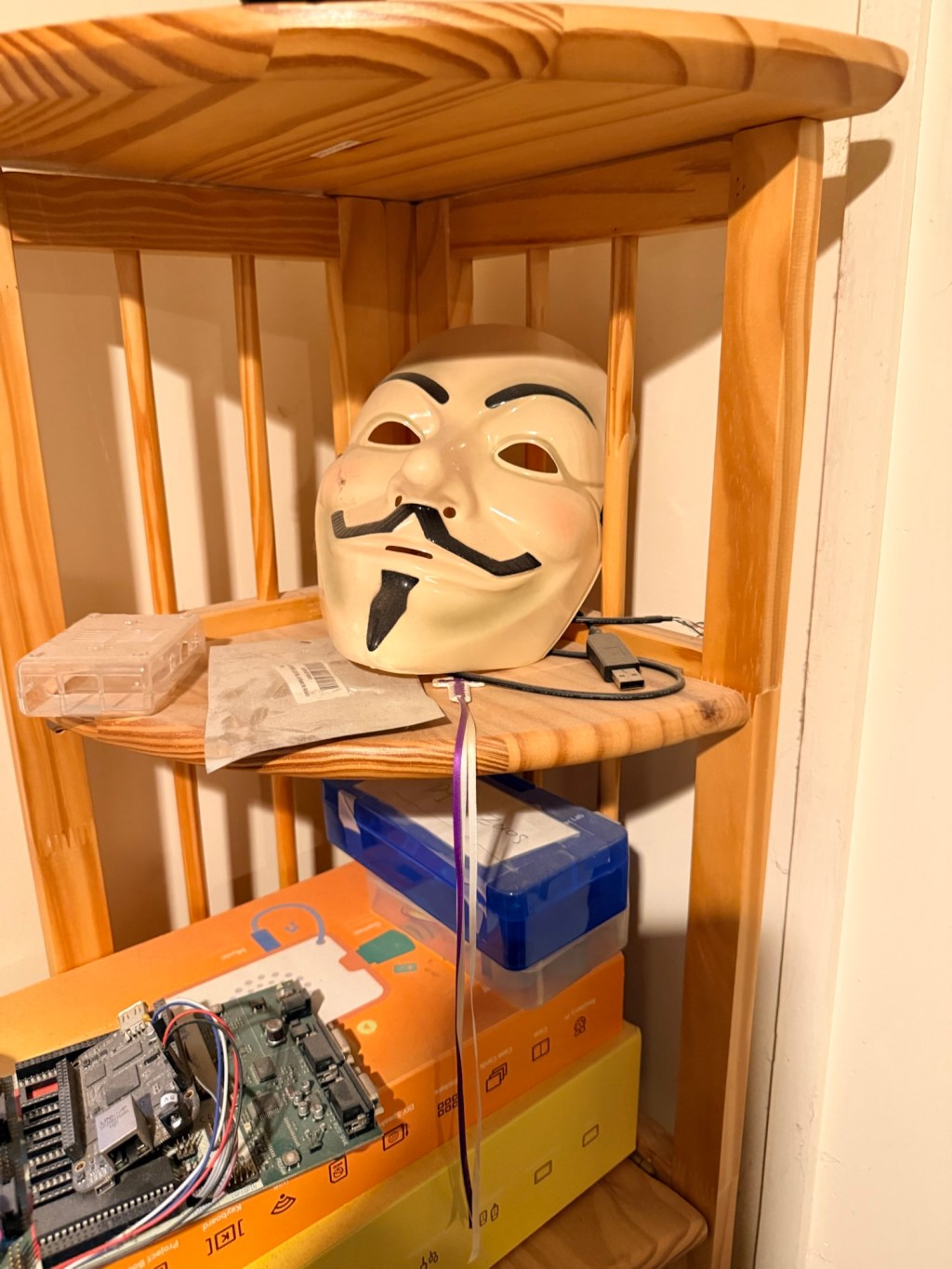
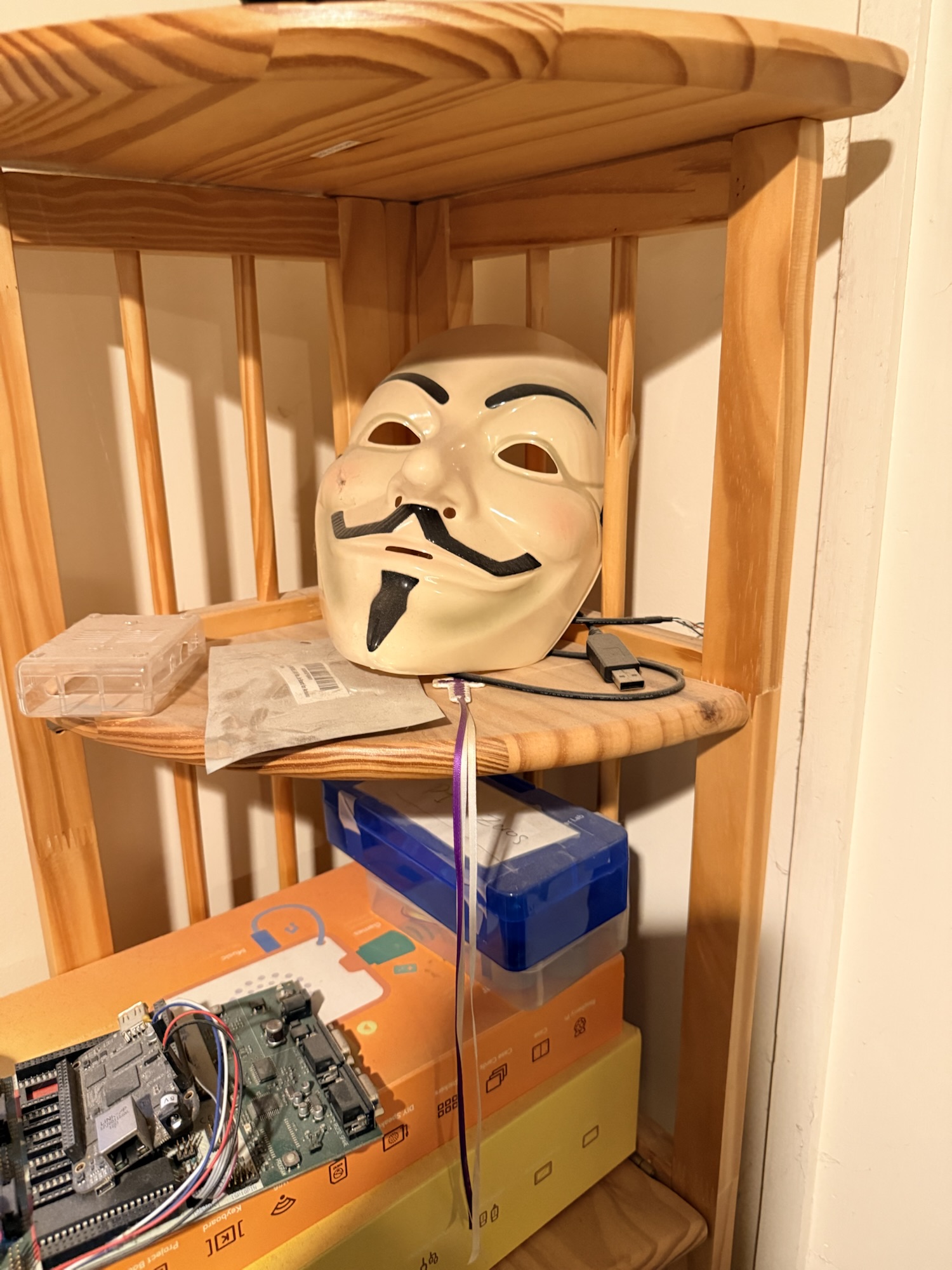
The Ancient Greeks had a tradition of theater. The actors used masks to allow them to portray multiple characters. The Latin word for such a mask that comes down to us is “persona,” with the stress on the second syllable.
I am writing about the “persona” today because I’ve been thinking about it since the passing of Dolly Parton.
As I write this, Dolly has been gone for over a month. There has been a great deal written about her. This is because, no doubt, she was the last human in America that we all liked. While I might write a little about that, I want to use her as an entry point to the psychological concept of “persona,” which gets its name from the masks of Greek Theater.
Dolly had, throughout her career, cultivated a persona. Such is her fame that I don’t have to describe it, but for the sake of completeness, I will say the hair, the bling, the…uh…enhancements, were all a part of that persona. Those of us who are old enough and country enough will think of Minnie Pearl who was a country comedienne who wore clothing that still had the price tags on them.
If you are still old enough, but not necessarily country enough, you will no doubt recall Jack Benny who’d cultivated the persona of a miser.
If I were more familiar with current popular culture, I would be able to provide more recent examples, but that does not seem a good use of whatever time I might have left.
For an entertainer, a persona is a useful tool. I would say that Dolly used her persona to protect her true self. Whatever else Dolly was, Dolly was an artist, a genius. To be an artist that can reach out and touch the souls of others, requires a great deal of sensitivity. The bigger that like Dolly Parton persona wasn’t just a mask, it was a suit of armor.
The armor could take the beating while the true self would be protected.
To be successful, the persona that you create has to have some connection with the real you. I would imagine that some of the Dolly persona was just an exaggeration of the real Dolly. I would say, however, that the real Dolly was more intelligent than her image. As has been observed by others before me, it’s easier for a smart person to play dumb than it is for a dumb person to play smart. (Though it might take more tongue-biting.)
Indeed, playing dumb is often the smartest thing a smart person can do.
There is a danger and an opportunity related to having a persona. Because it is hard to lead a double life, there is a tendency to become more like your persona. We are social creatures and we tend to try to meet the expectations that the group has of us.
If an entertainer cultivates the persona of being a rake and a scoundrel, there is a danger they would be dragged toward that persona. I don’t need to list the rock stars and child actors here. You can come up with your own.
But it can work the other way too. The persona of being involved in good works can have a positive effect. Yes, I know there is another word for people who “do good works” but are really evil inside: hypocrite. (That is another word that means mask, by the way.) Jesus would refer to such folks as “whitewashed sepulchers.” I believe that if we have the knowledge that we need to be better and craft our outward image in that way, then there is a tendency to approach that.
Dolly created her persona as a “hillbilly” as a way to connect to her initial market, but within that persona she contributed to charity and created programs to promote literacy. As part of that, she made no secret of her Christian identity and her motivations came from following Jesus.
Dolly is gone now. What can we do?
We’ve had a month now of people focusing on the positive points of a person who was, apparently, the last American that just about every American likes. Could we grab onto the positive parts of this persona and say, “Yes! This is what it means to be an American.”
To rise from poverty through work and brains and to use whatever success we achieve to help others like ourselves. To know that we can raise ourselves up, without putting others down.
I hope so.
At least that is the image I am trying to portray.
Bobby Winters grew up near Harden City, Oklahoma. He teaches mathematics and computer science, does woodworking, and blogs at okieinexile.com. He invites you to visit the blog and to subscribe.


Leave a comment