By Bobby Neal Winters
There are times that when we talk to each other–and even when we are talking to ourselves in our own minds–that we are speaking two languages, sometimes more than two. They sound like English; they use English words. But they are different languages just the same.
This is responsible for a lot of confusion and many lost hours arguing on the internet. (I know you’ve never done this, but I bet you have a friend who has.)
Talking about this is harder than you might think. It’s not because people aren’t smart enough to understand, but because they actually like to argue and are not interested in a solution where their opponent doesn’t look like an idiot.
That having been said, I am not sure I have the fancy words to say it properly, so I am going to try another way. For your part, try to forgive me if I am not up to it.
I am going to start by referring you back to the story of “Jonah and the Whale” from the Bible. My Grampa Sam, who knew the story well, sometimes jokingly called it the story of “Jonah swallowing the Whale.” This is a folksy acknowledgement of the miraculous nature of the story.
It is a marvelous story. Most people are familiar with it to a certain extent, but I hope that some of you are Bible-savvy enough to know that the Bible doesn’t use the word “whale.” The Bible says it was a “great fish.” The whale versus fish wording has been a source of a heat that generated little, if any, light. Here I am talking about the whole “whales are mammals not fish” thing.
To the people who wrote this, whales counted as fish. Fish were living creatures that lived in the water. The entire Linnean system of classification lay a couple of millenia in the future. It’s not a case of us modern people being smart, and those ancient people being stupid. Instead, in the intervening years, we have created the practice of science. The members of that practice have created a coherent, mostly consistent system of taxonomy that is useful to them, and that system and the associated nomenclature has bled over into the rest of the language.
The culture that produced the story of Jonah had their way of classifying the world and the things in it, and it served them. We have ours. There need be no conflict in this. You just need to be able to step back and realize that two different languages are being spoken. Once that has been done, pick the language appropriate for the situation and move on.
So the author of Jonah said fish, but could have meant whale. The language of the Bible leaves open the possibility that “the great fish” was created for this special purpose. And it was all in Hebrew anyway, but to argue about the whale versus fish question misses the point of the story: Jonah ultimately couldn’t resist the call of God. (And, seriously, Jonah was eaten by something, be it fish or whale, lived in its belly underwater for three days, and you want to argue taxonomy. Seriously.)
Two languages, each embedded in a different understanding of the world, are being spoken here.
Speaking two languages at the same time and not knowing it is a constant occurrence. It happens all the time. Let us consider the debate over the tomato: Is it a vegetable or a fruit?
Vegetable is a word that we use almost exclusively when we talk about eating and cooking. Scientists only seem to use the word vegetable when they are talking to people about a healthy diet, and folks talking about the cooking and eating of food, think of fruit as being sweet. Confusion abounds. Here’s the truth: A tomato is both a vegetable and a fruit. It is not an either/or question, just different people speaking different languages and not knowing it.
But people will continue to argue about it because, ultimately, they like to argue.
They really, really like to argue.
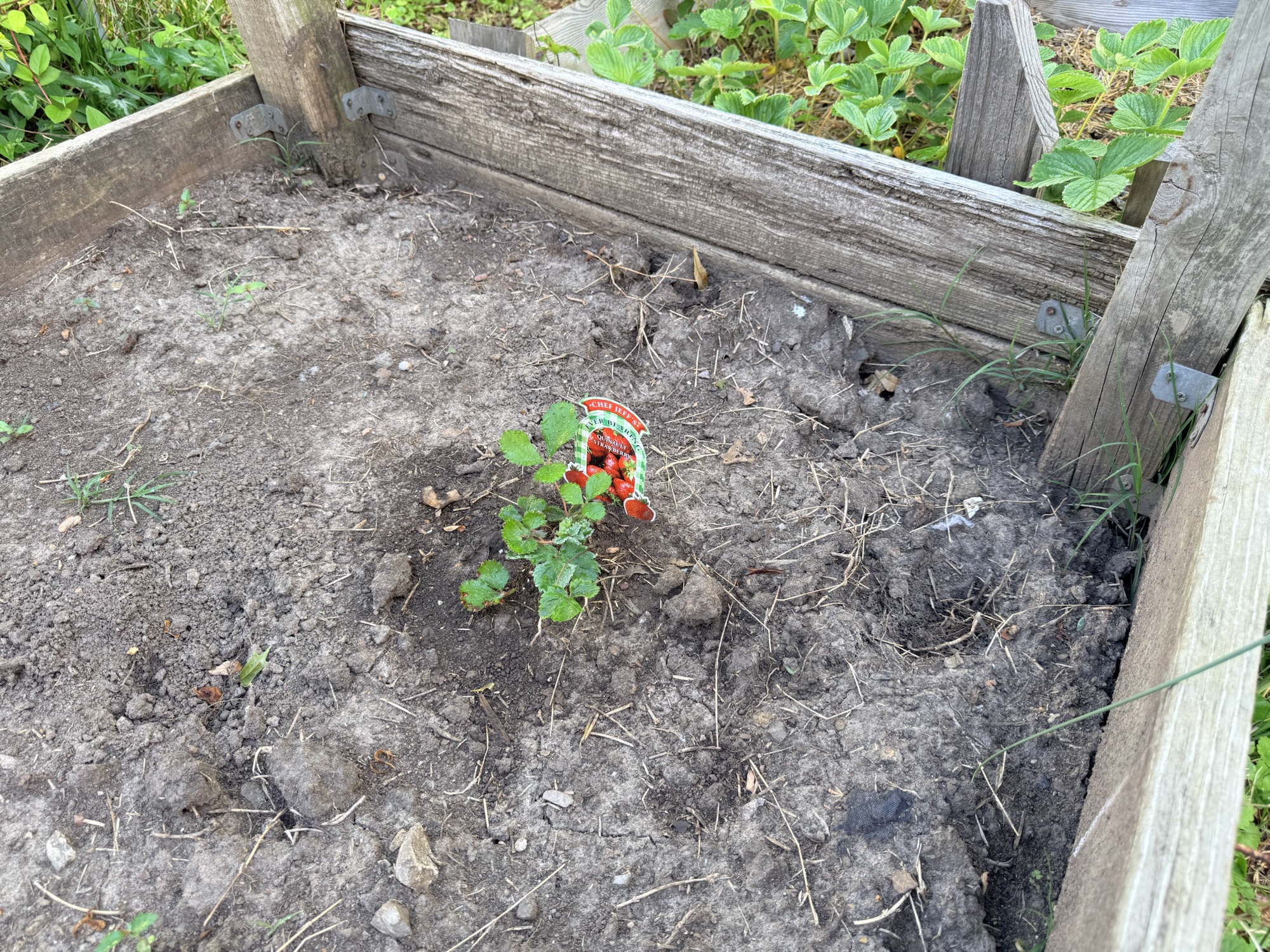
Let us now consider the word “berry.” “Berry” has been taken up into scientific nomenclature. It has a precise meaning within that nomenclature. The result of this is that–from the view of science–strawberries are not berries; raspberries are not berries; blackberries are not berries; but watermelons, cucumbers and chili peppers are. Scientific nomenclature has all but completely parted ways with common English here.
The problem is not with the scientific nomenclature. It’s not even an issue with the language of science seeping into common parlance. The problem is when we insist that it’s the only “right” way to speak.
When Maw and Paw are on the Oregon Trail and send their children to gather berries in order to survive, they don’t need someone saying, “Well, actually blackberries aren’t berries, they are really aggregate fruits.”
There might suddenly be one less mouth to feed. Maw and Paw might be telling the kids, “Don’t worry about where the meat came from; it’s pork,” and “The smart-aleck man just remembered someplace else he had to be.”
The point is to speak so the people you are talking to understand you. After all, if Jonah could swallow a whale, you could swallow a berry.
Bobby Winters grew up near Harden City, Oklahoma. He teaches mathematics and computer science, does woodworking, and blogs at okieinexile.com.


Leave a Reply